
What is Topology Optimization?
Topology optimization is a mathematical method that determines the optimal material distribution within a given design space — subject to prescribed loads, supports and performance constraints. The algorithm removes material from regions that carry little or no stress, while retaining it where it is structurally essential.
The result is a biologically-inspired organic structure that achieves the same (or better) mechanical performance at significantly reduced weight and material cost.
Topology optimization is not just for aerospace. Industrial brackets, supports, frames and housings regularly achieve 30–50% weight reductions with no compromise in structural performance.
- Weight and volume reduction
- Stiffness maximisation
- Frequency constraint satisfaction
- Stress-constrained optimisation
- Manufacturing constraint application
- Additive manufacturing ready output
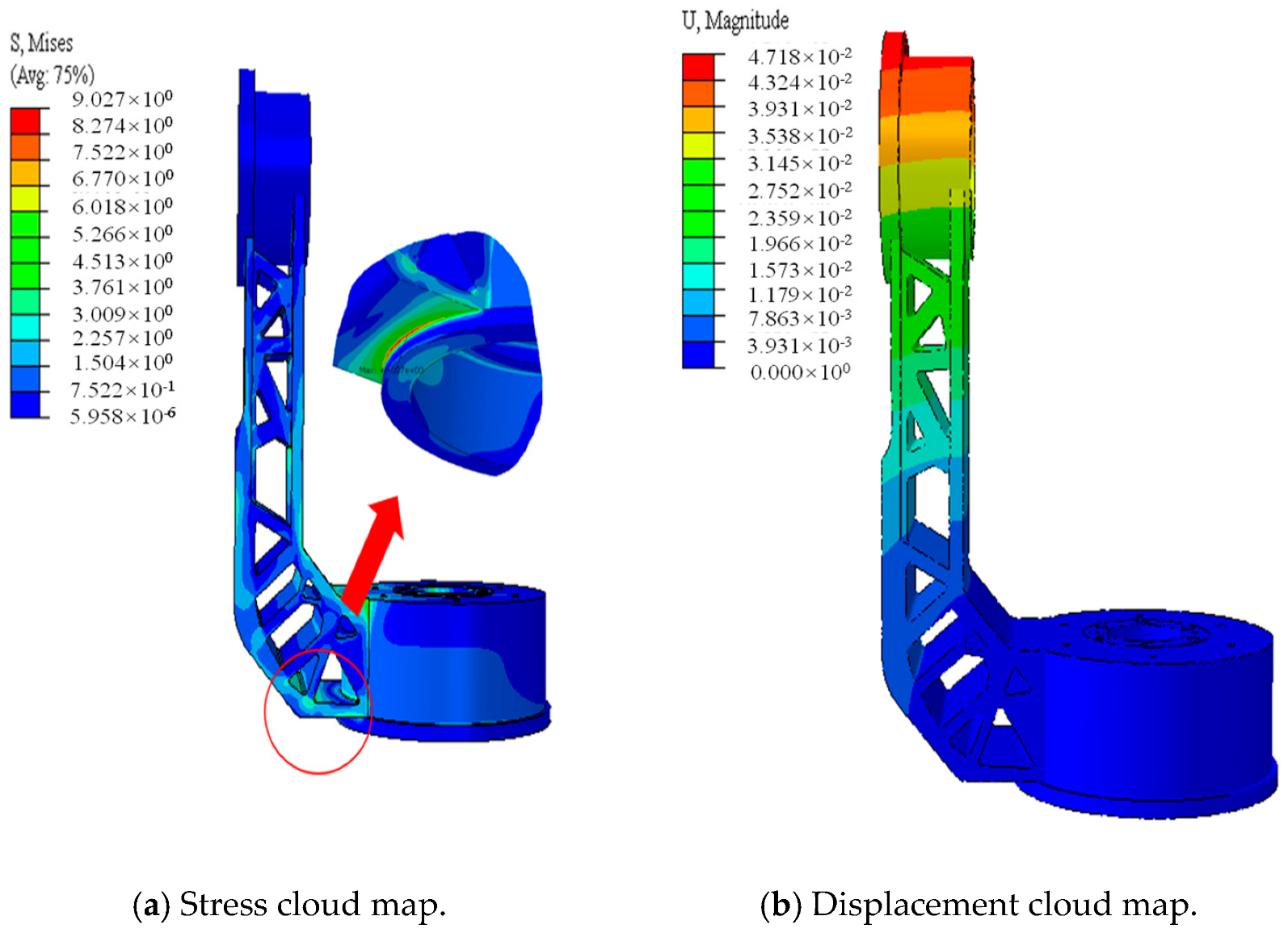 Topology Result — Organic Load Path
How It's Done
Design Space Definition
- Identify which regions can be modified
- Freeze non-design regions (interfaces, load points)
- Define volume retention target (e.g. retain 30% of material)
Load & Constraint Setup
- All operational load cases applied
- Support conditions defined
- Multiple load case combination if needed
- Symmetry constraints for manufacturable output
Optimisation Run
- SIMP (Solid Isotropic Material Penalisation) method
- Iterative material density redistribution
- Convergence of objective function (compliance / weight)
- Manufacturing constraints: min member size, overhang
Design Refinement
- Extract optimised geometry from density field
- Smooth and manufacturable design interpretation
- Validate refined design with full FEA
- Iterate if needed for performance targets
Simulation Results
Initial Design Space vs Optimised Topology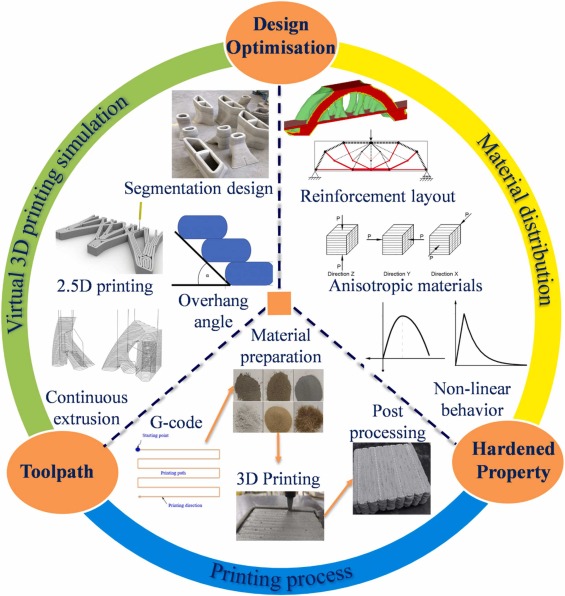 Density Field — Load Path Visualisation
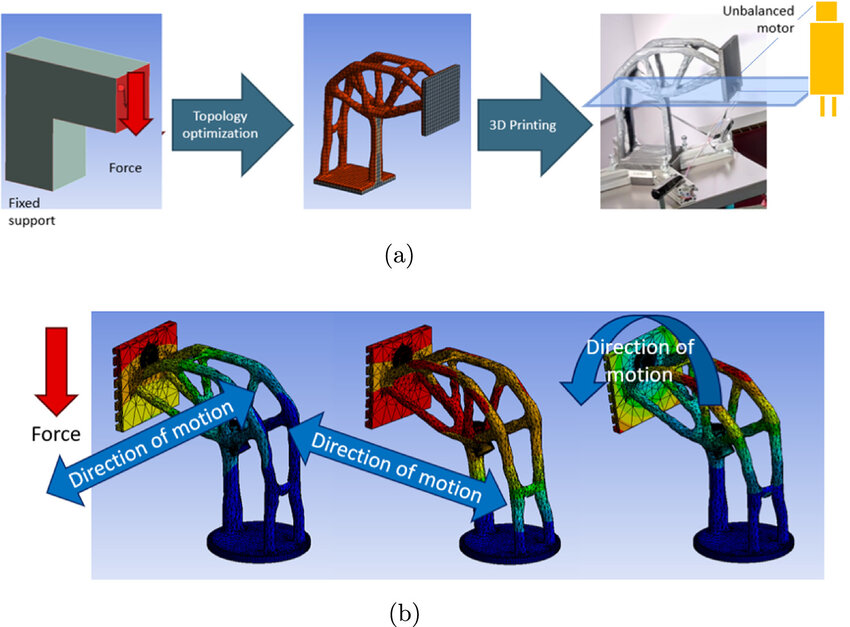 Refined Manufacturable Design
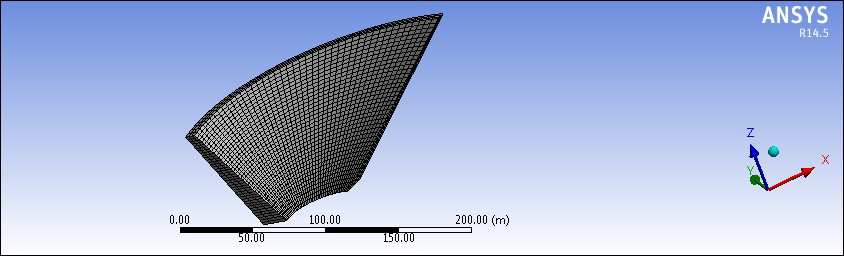 FEA Validation — Optimised Component
What You Receive
| Deliverable | Description | Format |
|---|---|---|
| Topology Result | Material density field showing optimal load paths and retained regions | PNG / PDF |
| Refined Geometry | Smoothed, manufacturable design interpretation of the optimised topology | STEP / STL / PDF |
| Validation FEA | Stress and deformation check on the refined design vs original | PNG / PDF |
| Weight Comparison | Before vs after weight, material cost saving estimate | Excel / PDF |
| Engineering Report | Optimisation setup, convergence, design recommendations and manufacturing notes |
Industries & Applications
Weight Reduction
Industrial brackets, support frames, lifting fixtures and housings — reduce material and shipping weight without losing strength.
Cost Optimisation
High-volume components where material cost is significant — topology-driven redesign for casting or machining.
Additive Manufacturing
Organic topology results are ideal for 3D printing — complex internal structures not achievable by conventional machining.
Performance Improvement
Stiffness-to-weight ratio maximisation — racing, aerospace and precision machinery applications.
Existing Design Audit
Identify over-engineered regions in legacy designs — find where material is unnecessary and safely remove it.
Frequency Tuning
Topology optimisation with frequency constraints — reshape structures to avoid resonance while minimising weight.
Optimise Your Design — Less Material, Same Strength
Share your component CAD and loading conditions — we deliver an optimised topology with validation FEA within 7–14 working days.