
🌊 CFD Analysis — Overview
Computational Fluid Dynamics (CFD) is used to simulate and analyze the behaviour of fluid flow, heat transfer, pressure distribution, and multiphase interactions within engineering systems.
At Swakshat Analytics, CFD is applied with a strong focus on real industrial problem-solving, particularly in process systems, fluid handling equipment, and multiphase environments. The objective is not limited to visualization, but extends to identifying inefficiencies, improving system performance, and supporting engineering design decisions.
Special emphasis is placed on process-oriented CFD applications, including sludge mixing, fermentor analysis, gas dispersion, and multiphase flow systems used in wastewater treatment and bioprocess industries.
Our philosophy: CFD at Swakshat is not about producing colourful pictures. Every simulation is tied to a specific engineering question and delivers an answer you can act on.
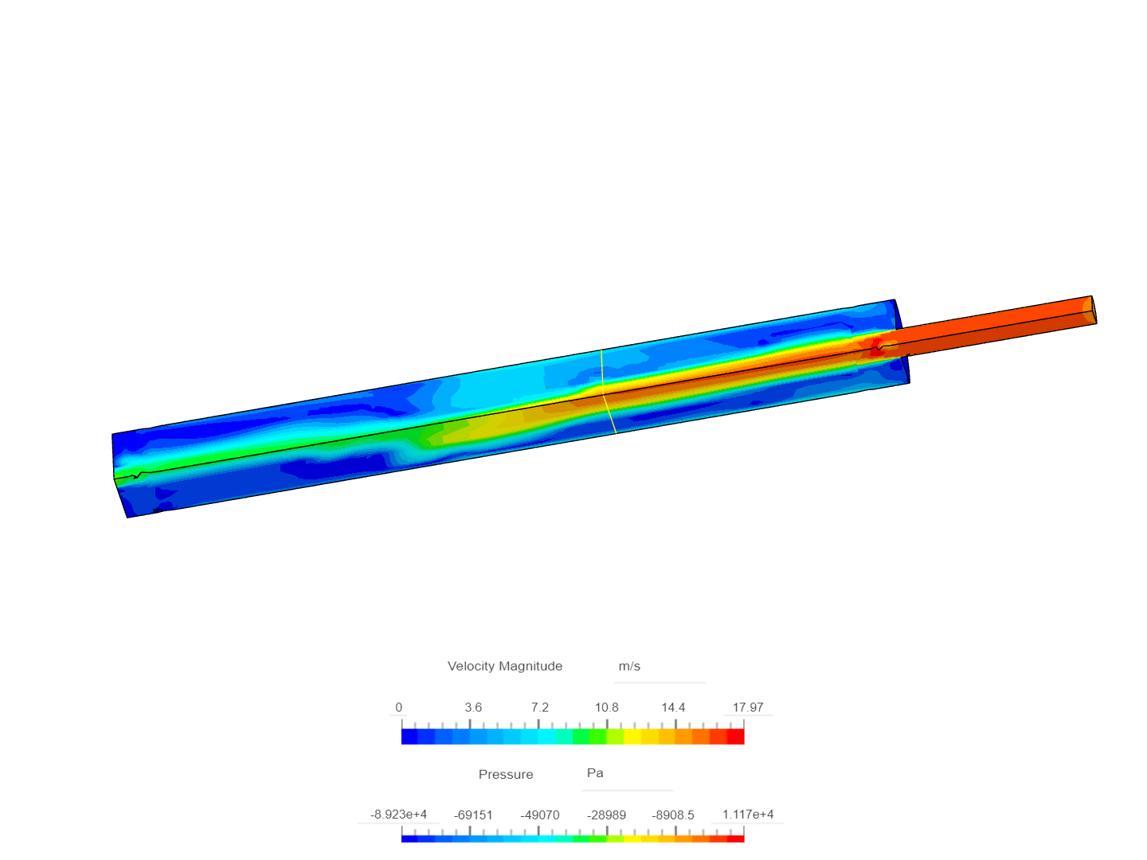 ANSYS Fluent — Multiphase flow, industrial system
🔷 Engineering Approach
Geometry & Domain
- Geometry preparation and fluid domain extraction
- CAD cleanup and simplification
- Named selection assignment
Mesh Generation
- High-quality mesh generation with boundary layer refinement
- Local sizing at critical zones
- Mesh independence study
Physics Models
- Turbulence models (k-ε, k-ω SST)
- Multiphase models (Eulerian, VOF)
- Energy and species transport models
Boundary Conditions
- Flow rates, pressure, temperature
- Injection sources and wall conditions
- Heat flux and thermal boundaries
Solver Execution
- Steady-state and transient solving
- Residual and convergence monitoring
- Physical quantity tracking
Post-Processing
- Velocity, pressure, and temperature contours
- Flow streamlines and recirculation zones
- Phase distribution and particle trajectories
- Design recommendations
Simulation results are interpreted with engineering judgment to ensure realistic representation of physical systems and to derive actionable design insights.
CFD Workflow
Every project follows a structured, repeatable pipeline — from raw CAD geometry through to a validated, report-ready result.
 Mesh Generation — Boundary Layer Refinement
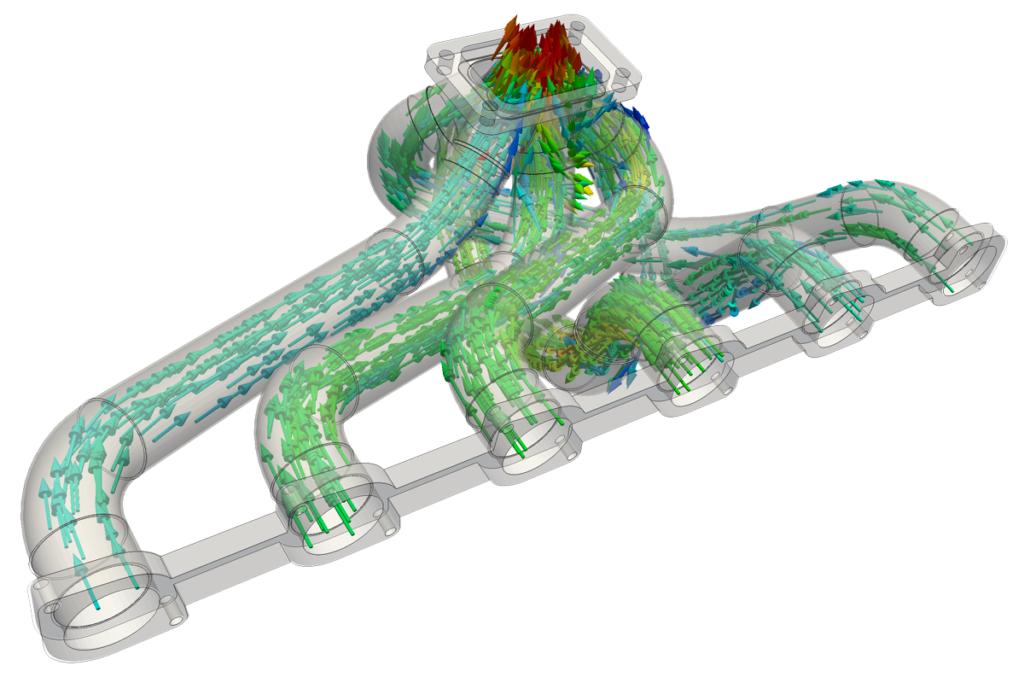 Velocity Contours — Industrial Flow System
Pressure Drop — Multi-Branch Piping System
Velocity Contours — Industrial Flow System
Pressure Drop — Multi-Branch Piping System
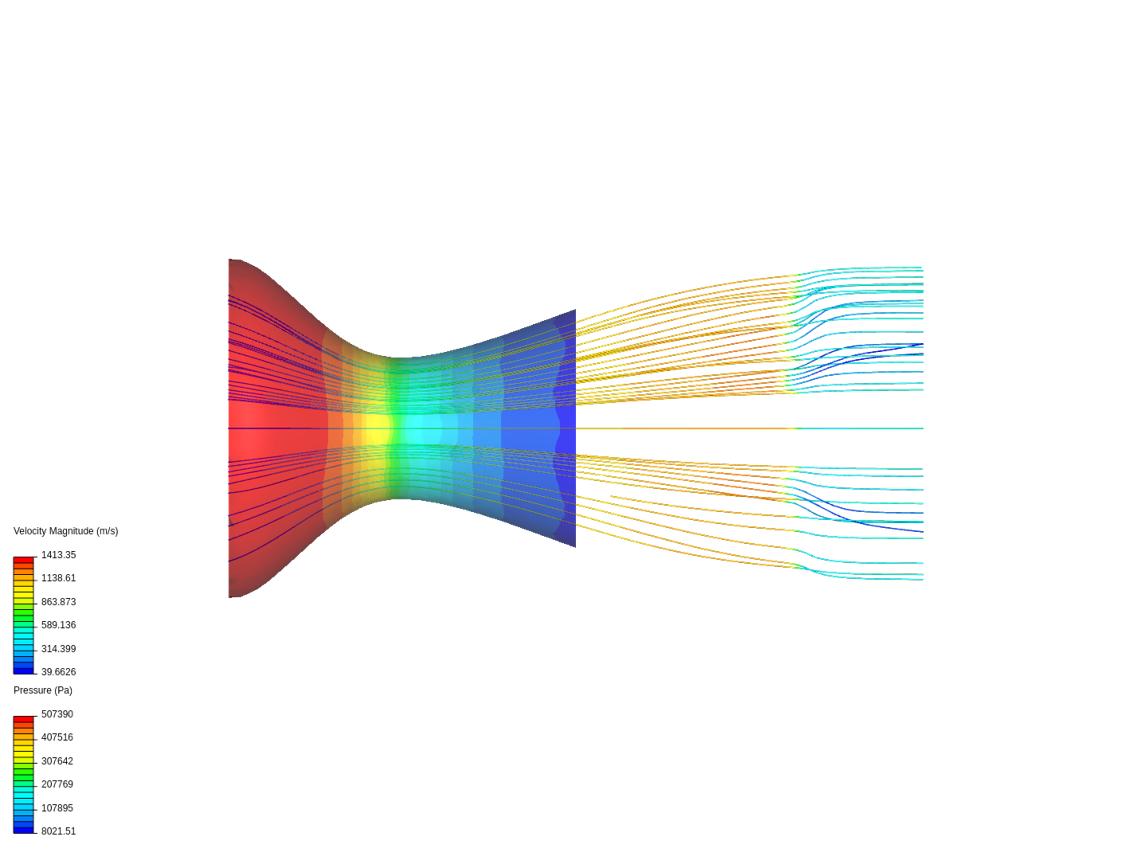
Internal Flow Analysis
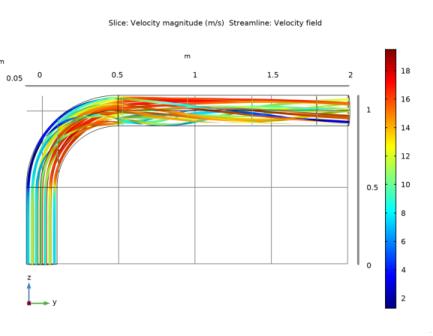
Simulation of fluid flow within enclosed systems such as pipes, ducts, vessels, and manifolds. Used to evaluate pressure drop, flow distribution, and system efficiency.
What is evaluated:
- Velocity distribution
- Pressure drop and losses
- Flow separation and recirculation zones
- Flow uniformity
Applications:
- Industrial piping systems
- Venturi and nozzle systems
- Flow distribution networks
Internal flow result 1
Internal flow result 2
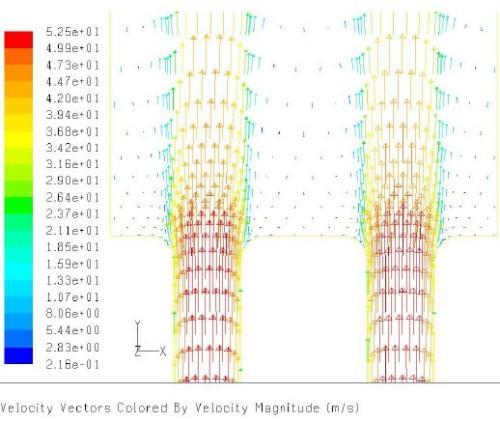 Internal flow result 3
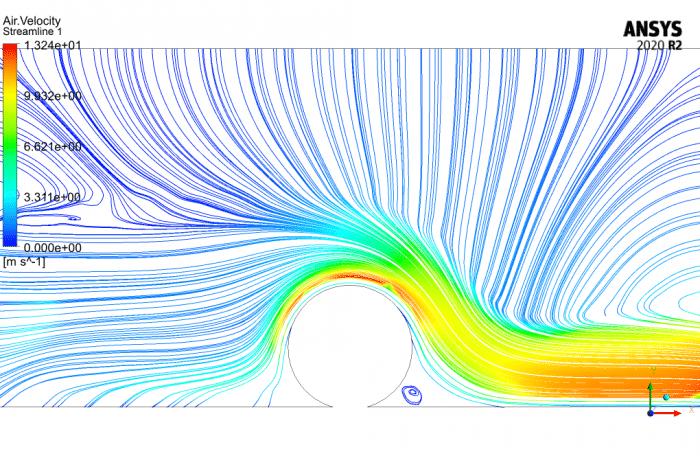 External Flow — Aerodynamic Pressure Distribution
External Flow Analysis
Analysis of fluid flow around external bodies to evaluate aerodynamic behaviour and flow interaction with surroundings.
What is evaluated:
- Drag and lift forces
- Flow separation
- Pressure distribution
- Wake formation
Applications:
- Automotive aerodynamics
- Equipment exposed to airflow
- Wind load evaluation
External flow result 1
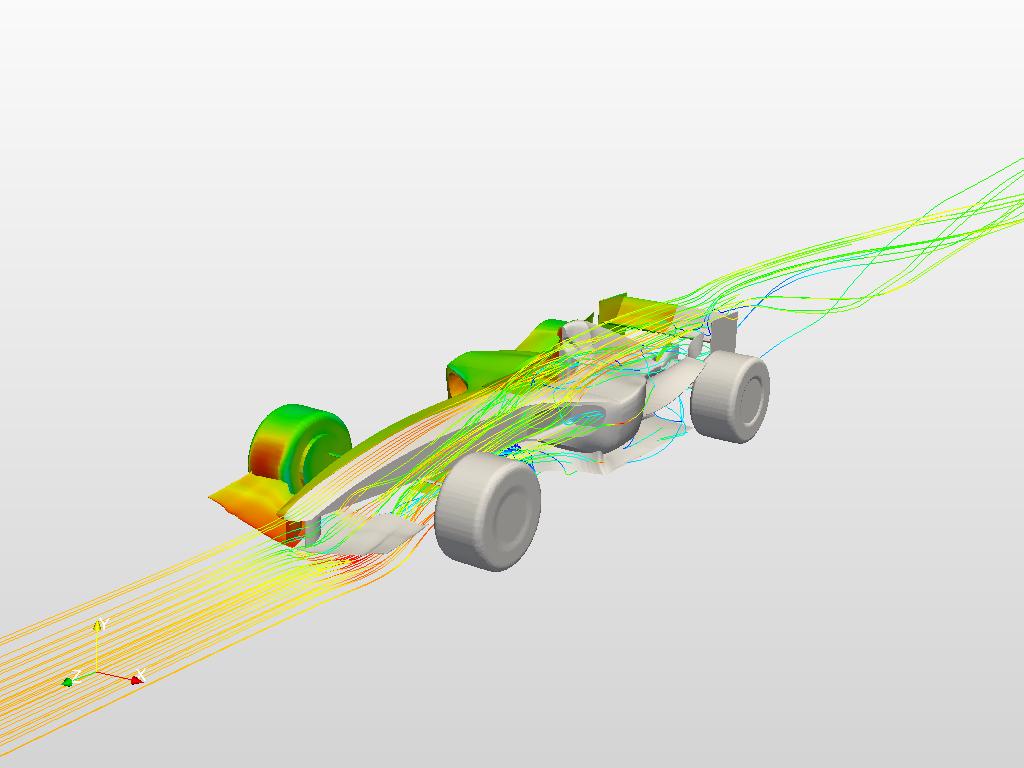 External flow result 2
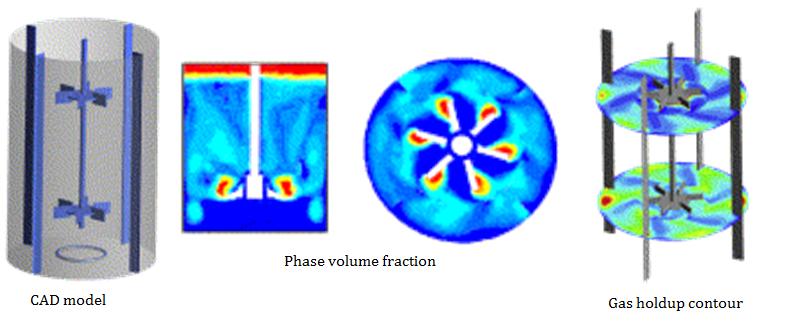
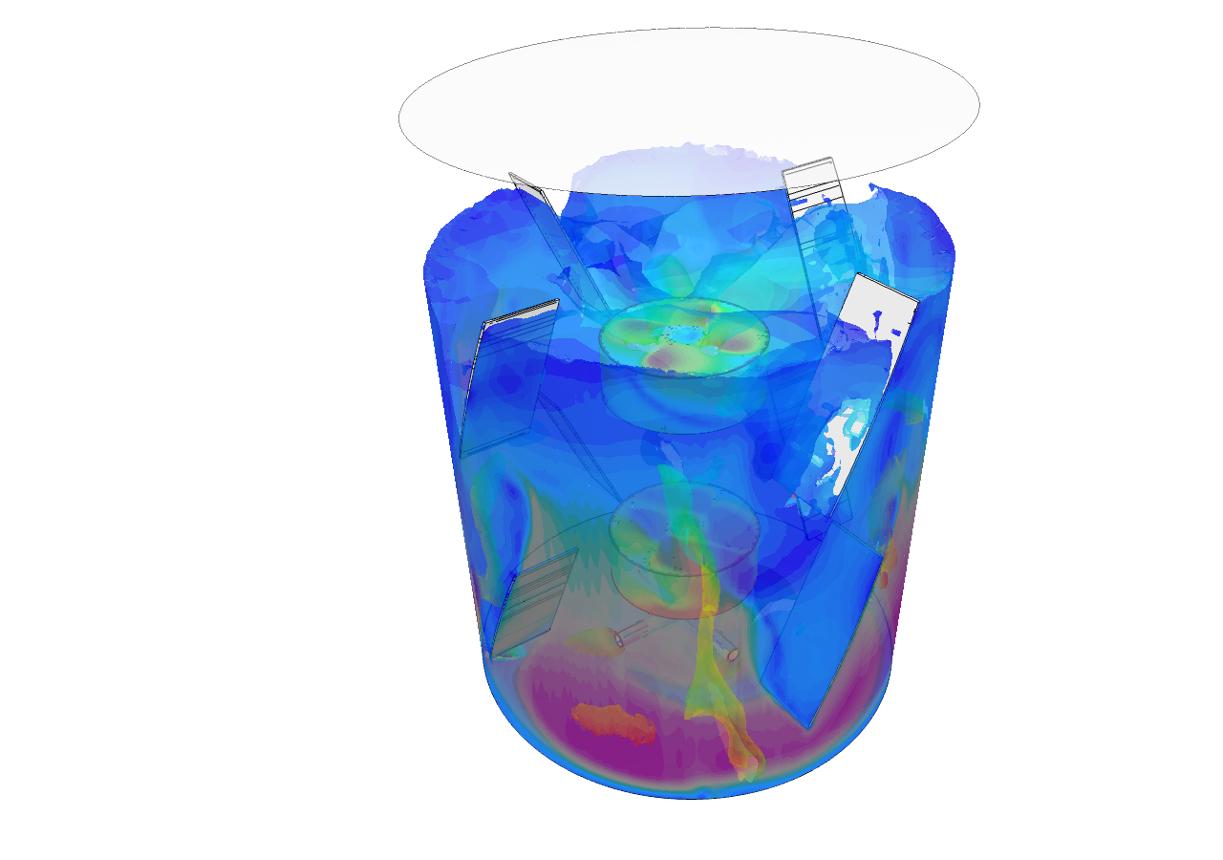 Volume Fraction — Gas-Liquid Multiphase
Multiphase Flow Simulation
Simulation of systems involving multiple interacting phases, such as gas-liquid or liquid-solid flows. Advanced rheological models, including non-Newtonian behaviour (e.g., Herschel–Bulkley), are incorporated where required.
What is evaluated:
- Phase distribution (volume fraction)
- Interaction between phases
- Bubble or particle behaviour
- Mixing effectiveness
Models Used:
- Eulerian multiphase model — for dispersed phase systems
- VOF (Volume of Fluid) — for interface tracking
- Phase interaction and drag modelling
Applications:
- Fermentor gas dispersion and oxygen transfer
- STP and sludge mixing systems
- Gas injection and aeration systems
Multiphase result 1
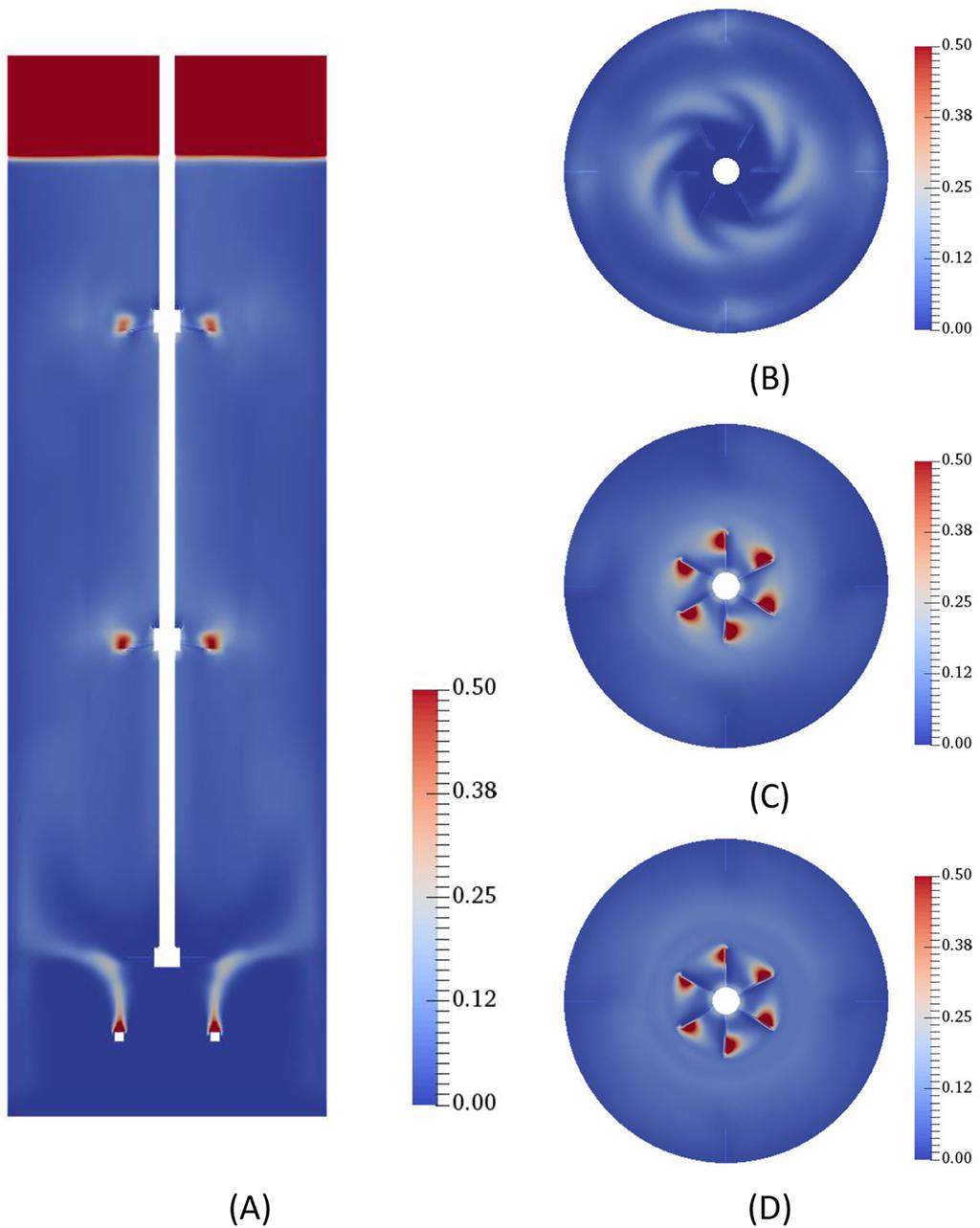 Multiphase result 2
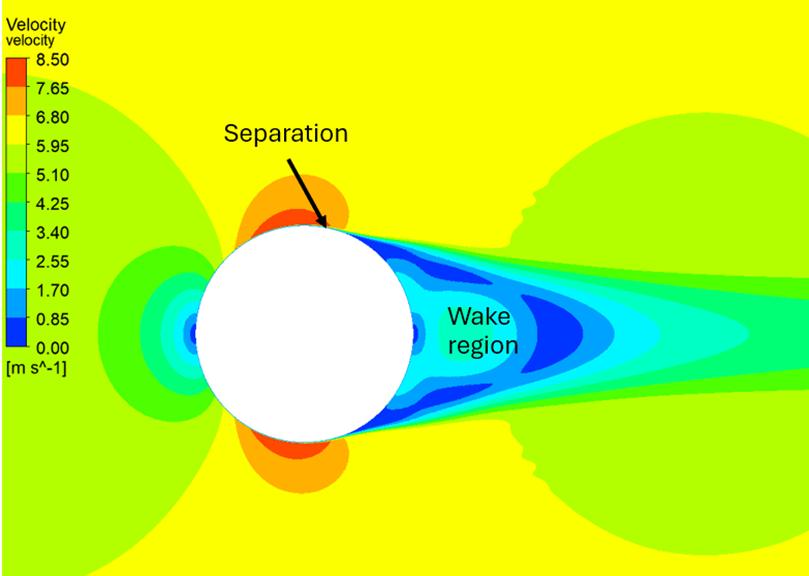 Turbulence Modeling — k-ω SST, Vortex Structures
Turbulence & Advanced Flow Modeling
Modeling of complex turbulent flows where fluid motion is highly non-linear and chaotic. Essential for accurately capturing vortices, eddies, and flow instabilities in industrial systems.
What is done:
- Selection of turbulence models (k-ε, k-ω SST, LES where required)
- Capturing vortices, eddies, and flow instabilities
Capabilities:
- k-ε and k-ω SST models for industrial flows
- Advanced turbulence modelling for flow separation and recirculation
Applications:
- High Reynolds number flows
- Mixing systems and agitators
- Recirculation-dominated flows
Turbulence result 1
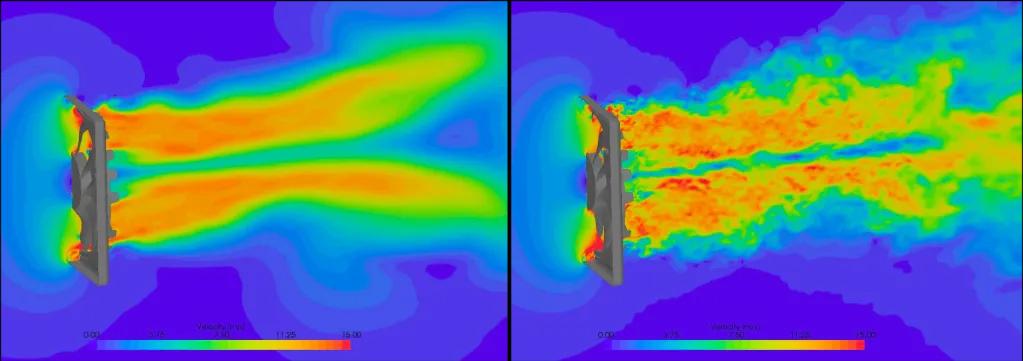 Turbulence result 2
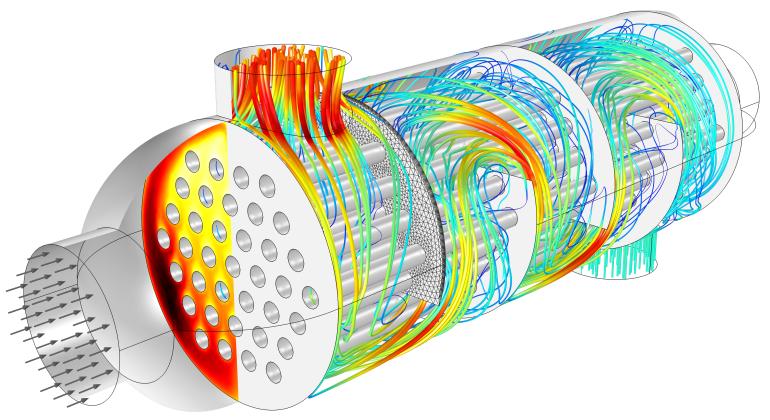 CHT — Temperature Distribution, Heat Exchanger
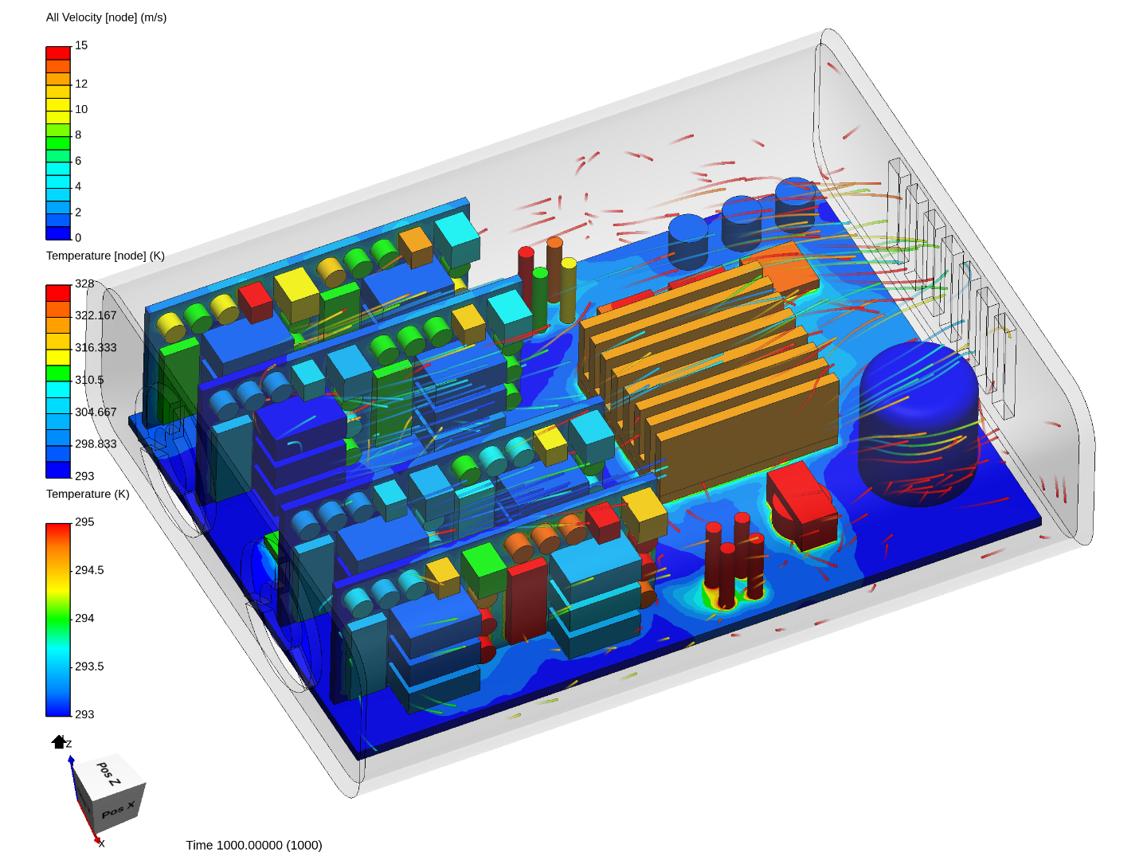
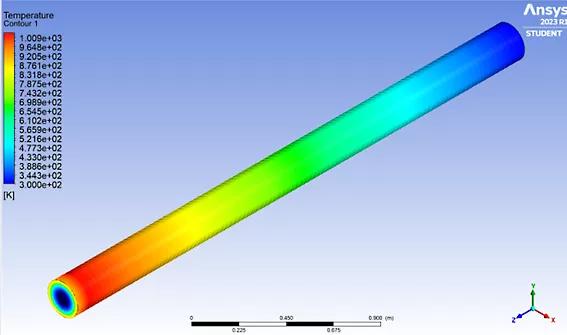
Thermal & Conjugate Heat Transfer (CHT)
Simulation of heat transfer involving both fluid and solid domains, capturing conduction and convection simultaneously. Provides the complete thermal picture of your system.
What is evaluated:
- Temperature distribution
- Heat flux
- Cooling/heating efficiency
- Hot-spot identification
Phenomena Resolved:
- Solid-fluid interface heat exchange
- Conduction within solid walls
- Forced and natural convection
Applications:
- Heat exchangers and coolers
- Cooling systems and thermal management
- Cooling jackets and jacketed vessels
CHT result 1
 CHT result 2
 CHT result 3
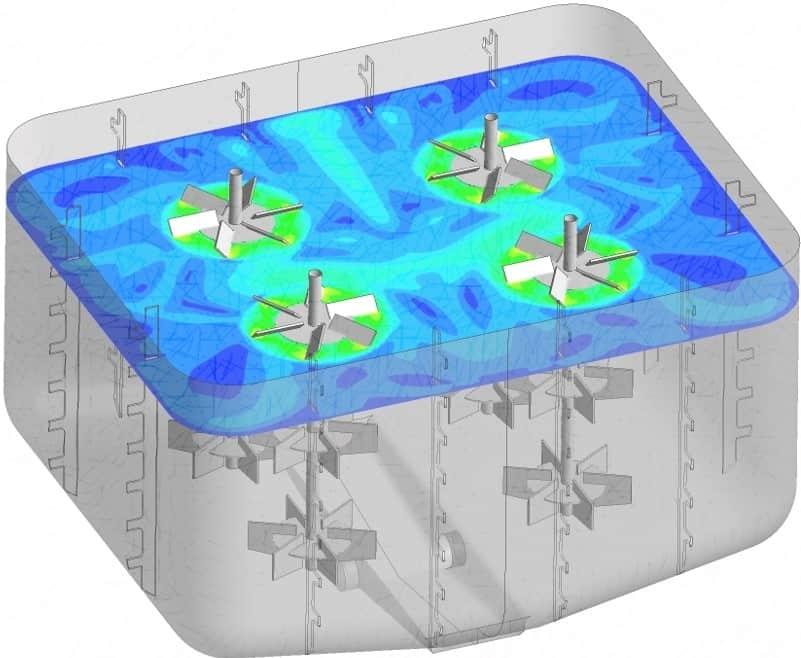
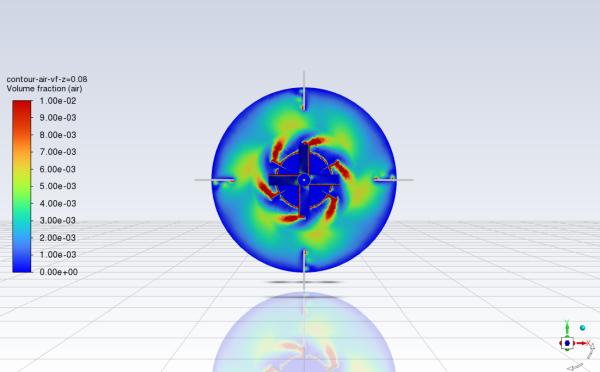
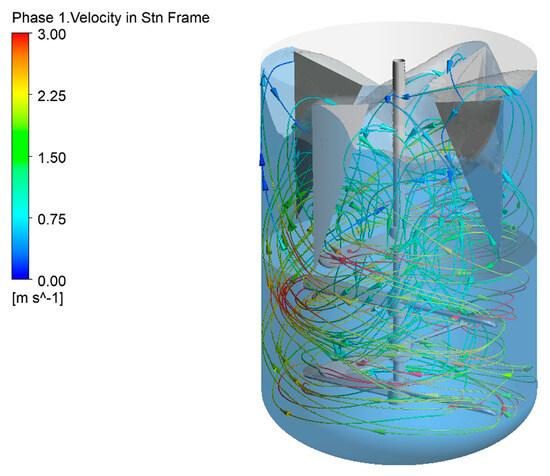 20 KL Fermentor — Mixing Analysis (Core Strength)
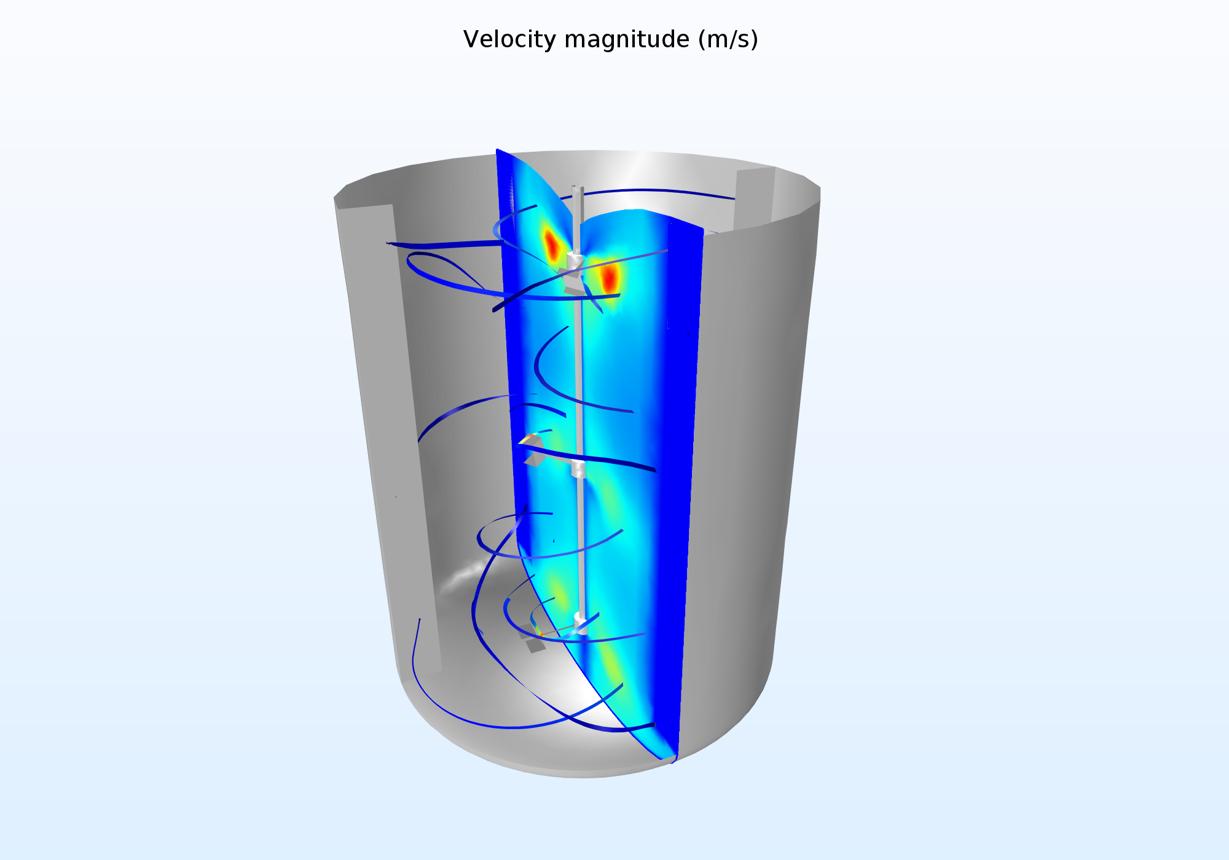
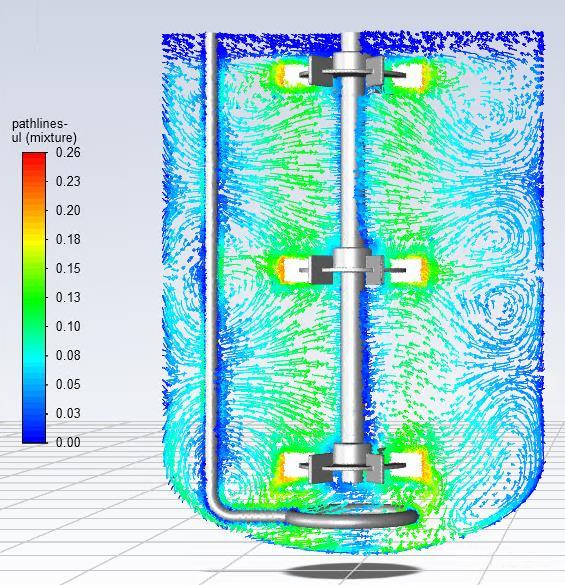
Mixing & Agitation Studies (Process CFD)
Evaluation of mixing performance in tanks and reactors, focusing on flow uniformity and elimination of dead zones. This is our deepest domain expertise — fermentors, STP digesters and bioprocess systems.
What is evaluated:
- Mixing uniformity and dead zone identification
- Circulation patterns and residence time
- Gas dispersion and oxygen mass transfer
- Non-Newtonian rheology (Herschel-Bulkley)
- Nozzle and pump flow characterisation
Applications (Core Focus):
- 20 KL Fermentor — gas dispersion, bubble dynamics, oxygen mass transfer
- 180 MLD STP Digester — sludge mixing, dead zones, nozzle optimisation
- Sludge homogenization systems
Mixing result 1
Mixing agitator MRF
 Mixing result 3
 Species Transport — Concentration Distribution
Species Transport & Reaction Modeling
Simulation of mass transfer and chemical/biological reactions within fluid systems. Tracks how species are transported, mixed, and consumed or produced across the flow domain.
What is evaluated:
- Concentration distribution of species
- Reaction rates and yield
- Mass transfer efficiency
Applications:
- Oxygen transfer in fermentors and bioreactors
- Chemical and biological reactors
- Gas absorption systems
Species transport result 1
 Species transport result 2
 Species transport result 3
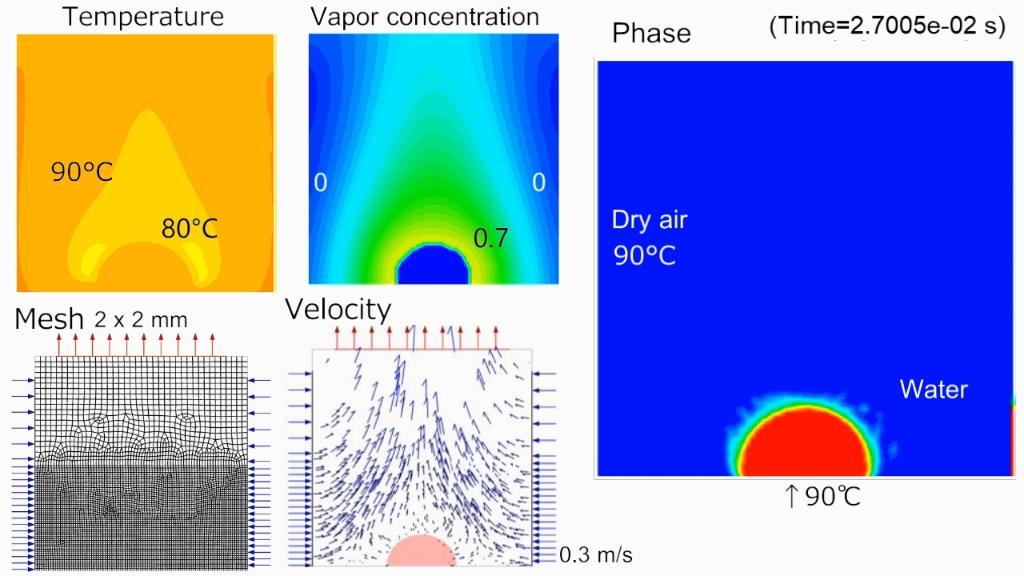
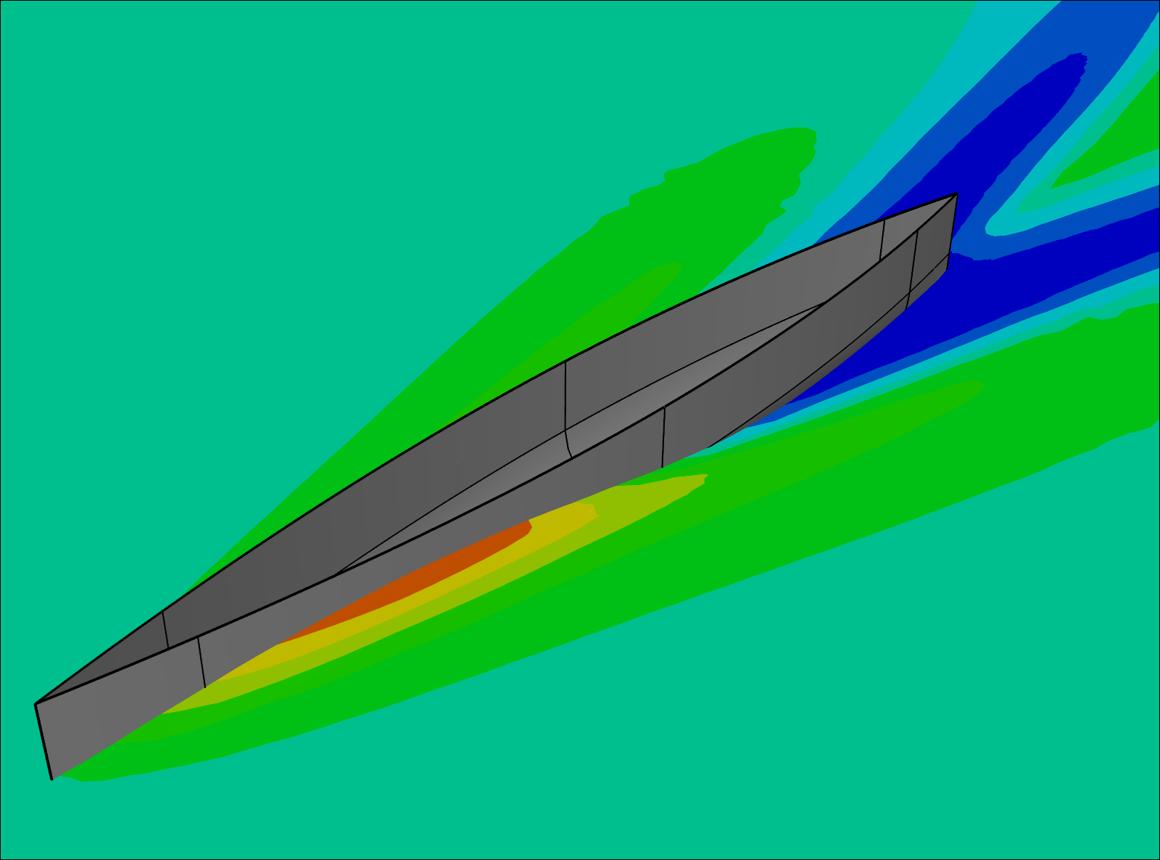 Free Surface — Liquid-Air Interface (VOF)
Free Surface & Interface Modeling
Simulation of fluid interfaces, particularly between liquid and air. Uses the VOF (Volume of Fluid) method to track the free surface and capture interface dynamics.
What is evaluated:
- Surface deformation
- Wave formation and propagation
- Liquid level variation
Applications:
- Tank filling and draining
- Sloshing analysis
- Open channel flows
Free surface result 1
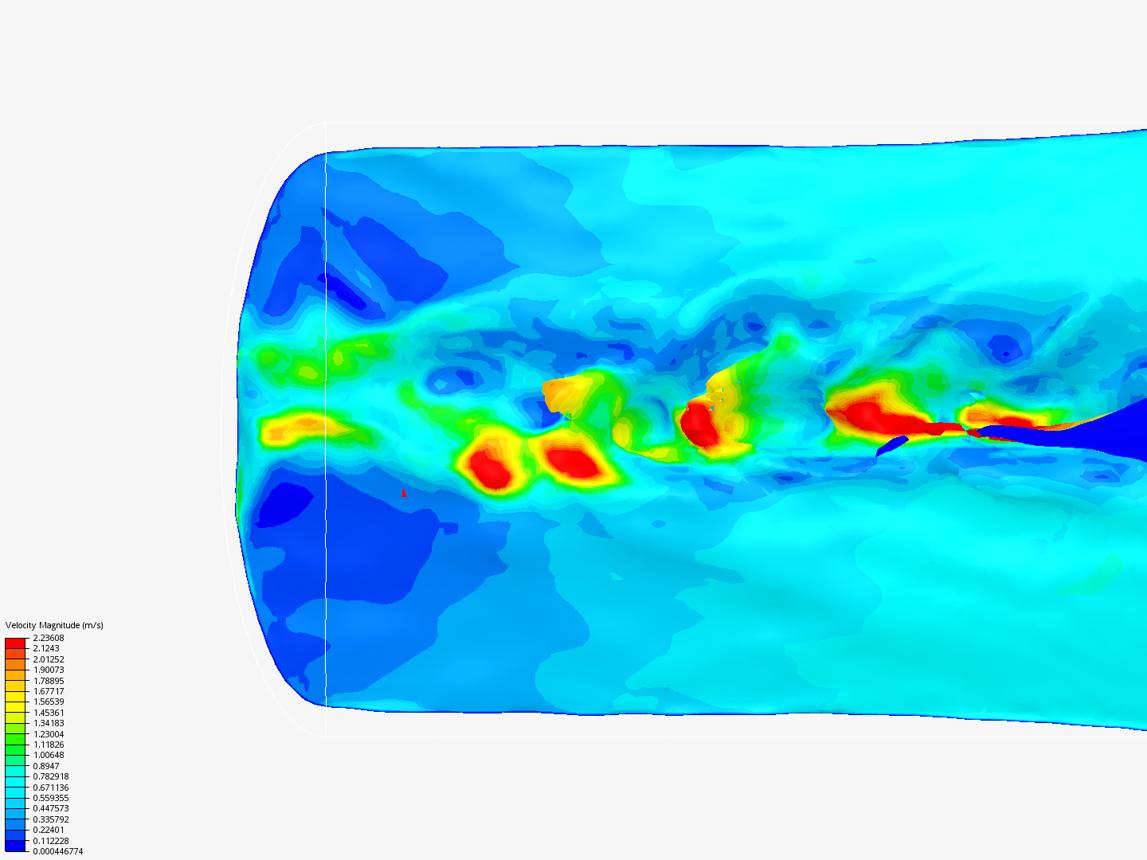 Free surface result 2
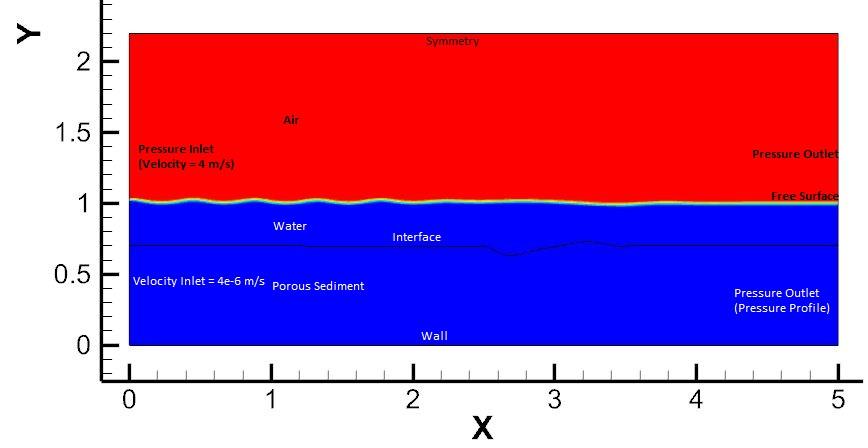 Free surface result 3
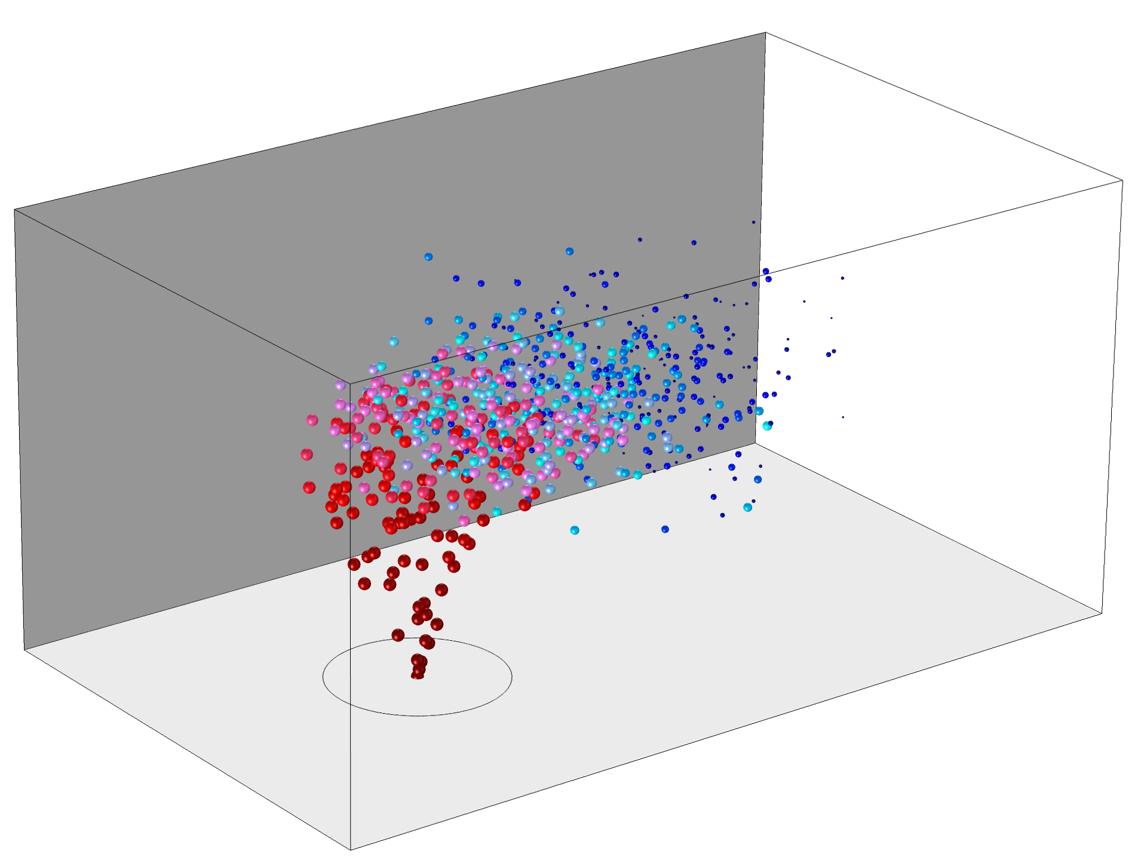
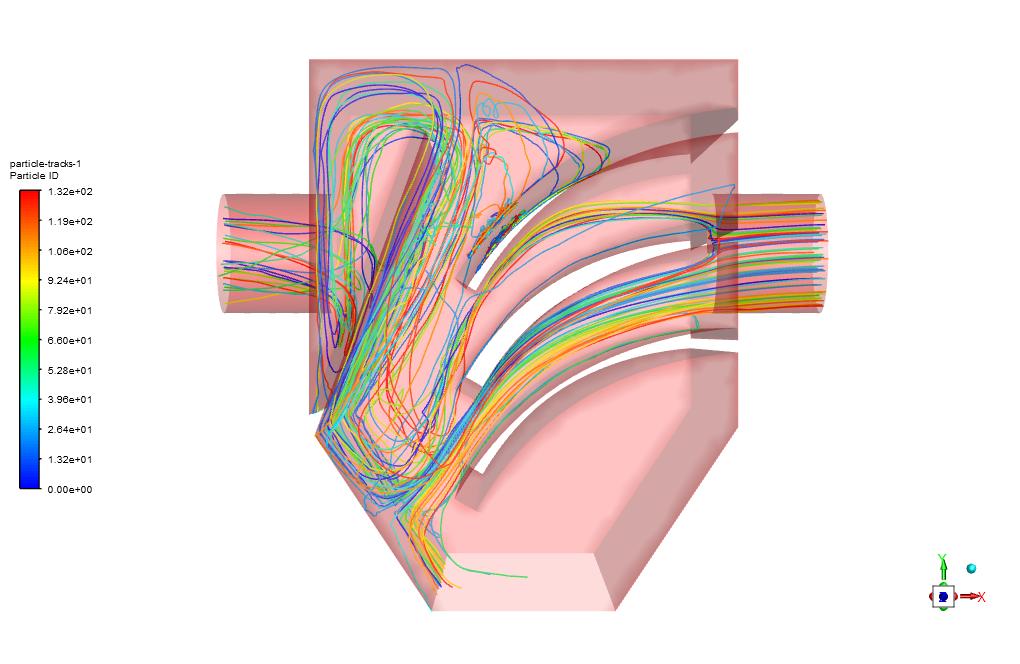 DPM — Particle Trajectory Tracking
Particle Tracking (DPM)
Tracking of discrete particles, droplets, or contaminants within a continuous fluid flow. The carrier fluid is solved using the Eulerian approach while particles follow Lagrangian trajectories.
What is evaluated:
- Particle trajectories through the flow domain
- Residence time distribution
- Interaction with walls (trap, escape, reflect)
Methods:
- Lagrangian particle tracking
- Drag force and lift modelling
- Particle-fluid coupling (one-way / two-way)
Applications:
- Spray systems and droplet dynamics
- Contaminant transport and trapping
- Particulate flow systems
DPM result 1
 DPM result 2
 DPM result 3
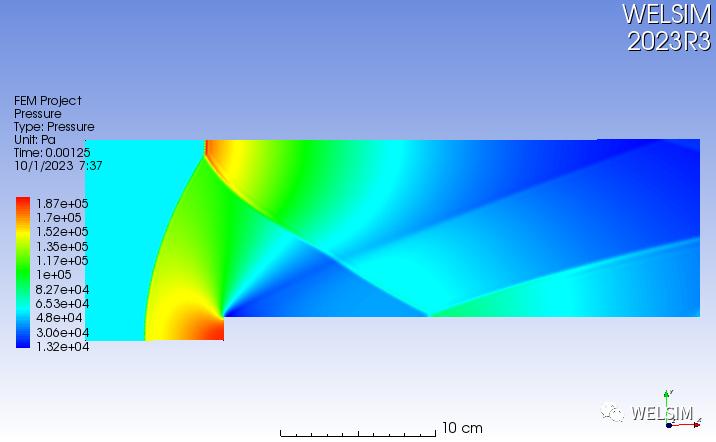
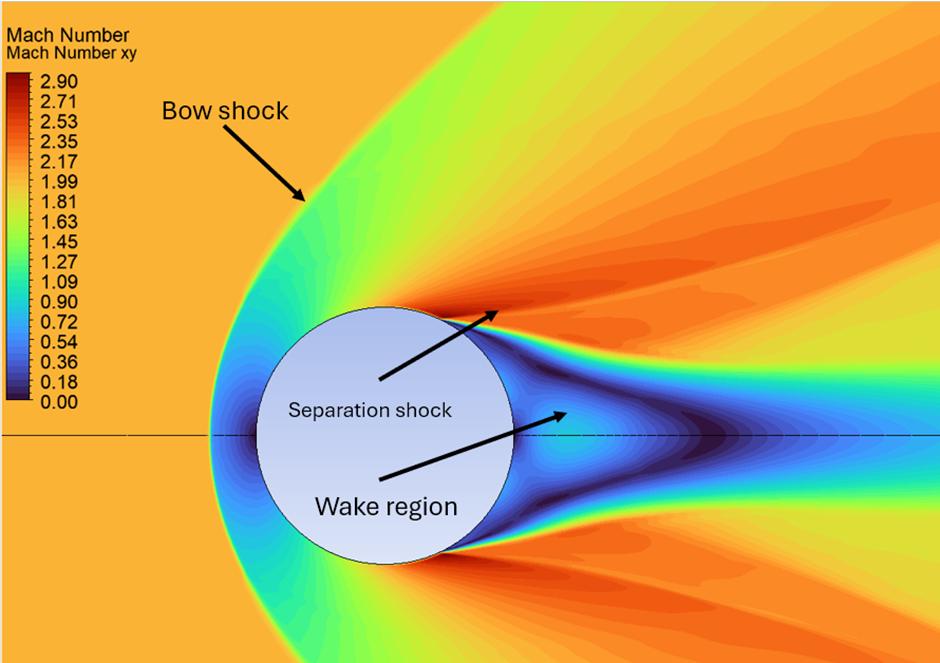
 Compressible Flow — Mach Number & Shock Waves
Compressible Flow Analysis
Simulation of high-speed flows where density variations and compressibility effects are significant. Critical for accurate analysis of nozzles, high-speed gas systems, and shock-dominated flows.
What is evaluated:
- Pressure and density variations
- Shock waves and oblique shocks
- Mach number distribution
Applications:
- Nozzle and orifice systems
- High-speed gas flow
- Pressure-driven flow systems
Compressible result 1
 Compressible result 2
 Compressible result 3
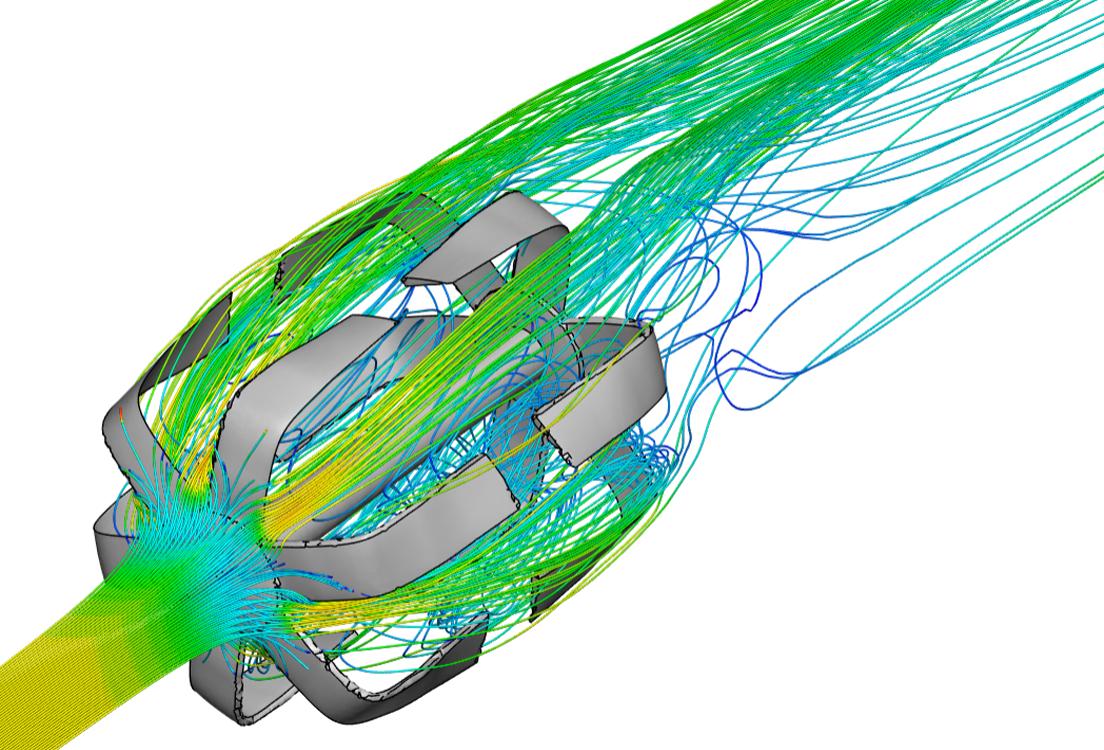
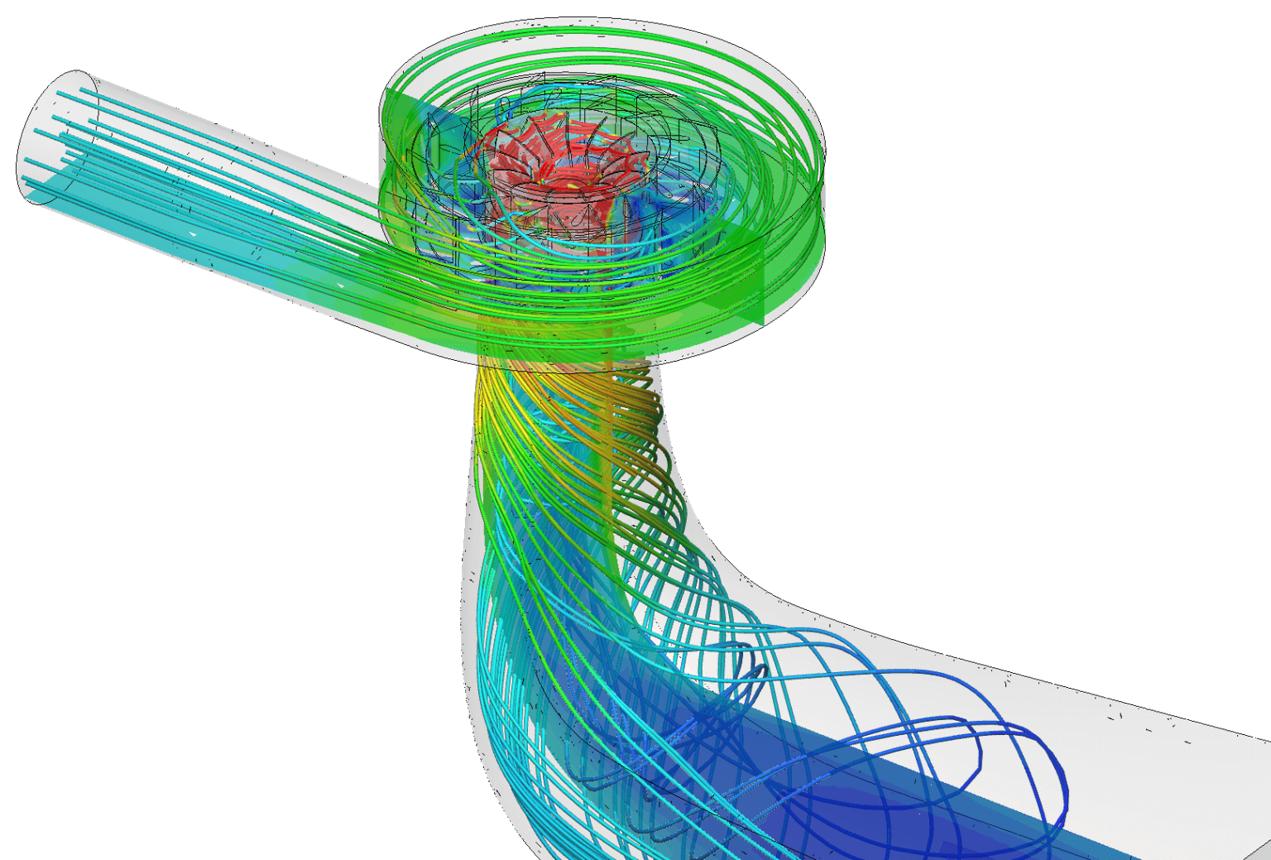
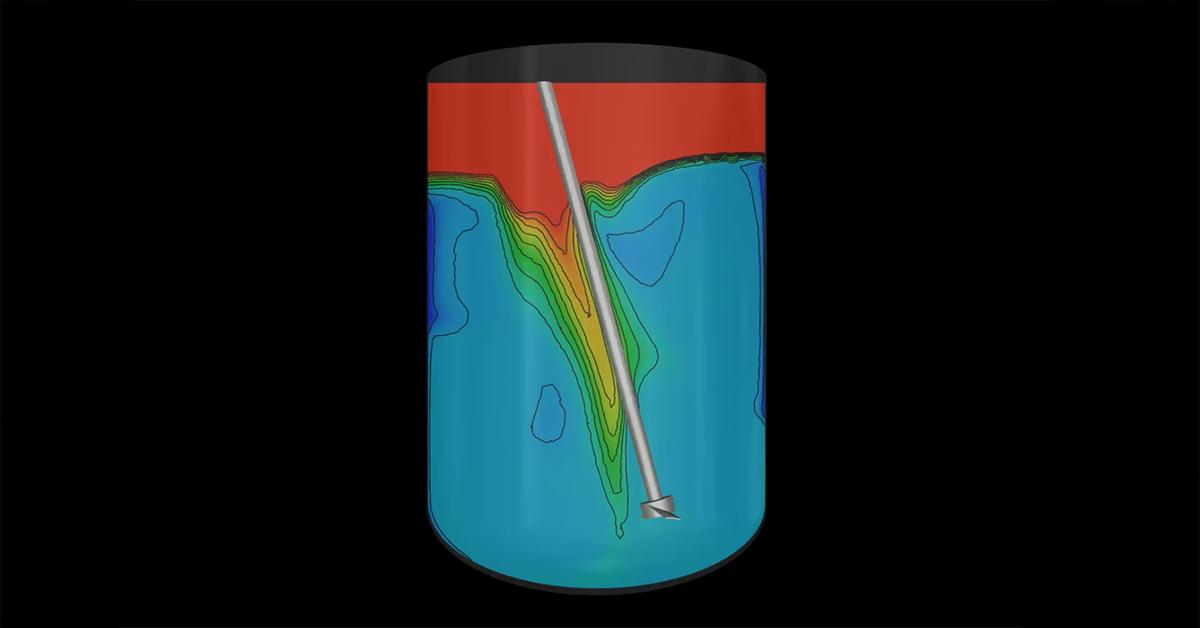 MRF — Multiple Reference Frame, Agitator
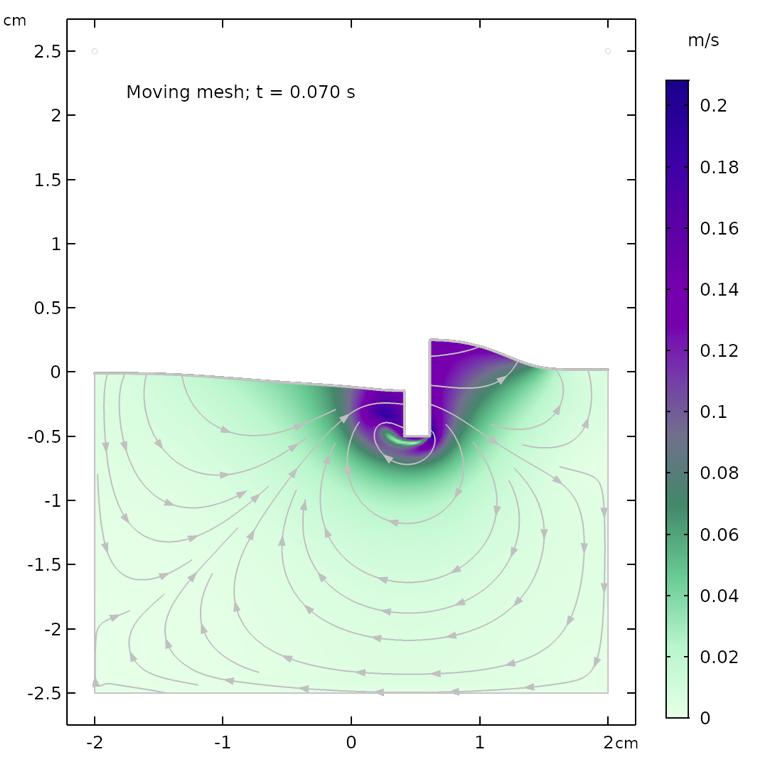
Rotating & Moving Domain Simulations
Simulation of fluid interaction with moving or rotating components — essential for realistic mixing tank analysis, agitator performance and rotating machinery characterisation.
Methods:
- MRF (Multiple Reference Frame) — steady-state rotating zone approximation
- Sliding Mesh — transient rotating interface for time-accurate results
- Dynamic Mesh — for deforming or moving boundaries
Applications:
- Agitators and mixers
- Rotating machinery (pumps, fans)
- Flow-induced motion systems
Rotating domain result 1
 Rotating domain result 2
 Rotating domain result 3
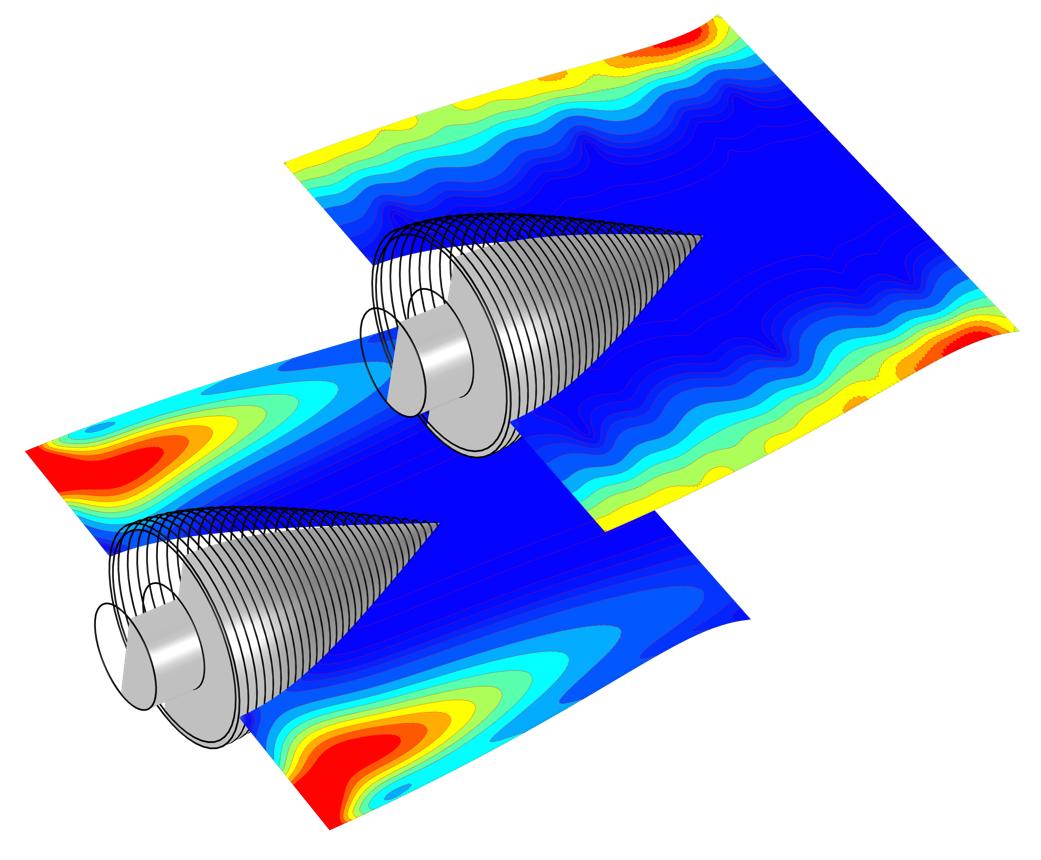 Flow-Induced Noise — Pressure Fluctuations
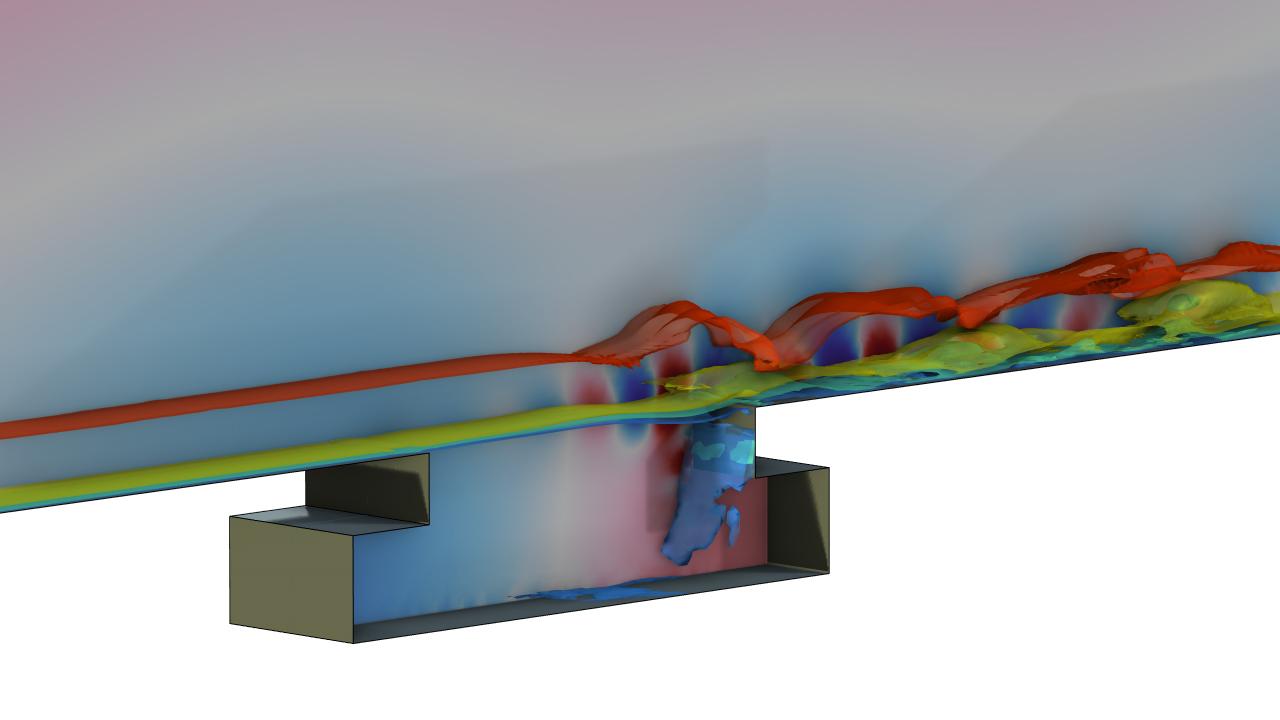
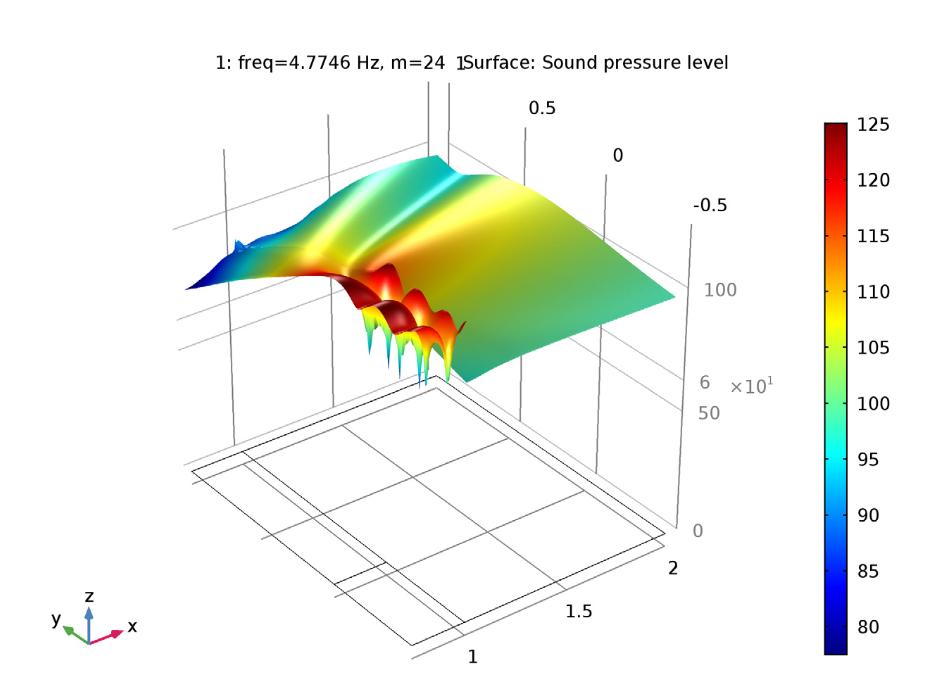
Acoustic & Flow-Induced Noise
Evaluation of noise generated due to fluid flow, turbulence, and pressure fluctuations. An advanced capability for systems where aeroacoustic effects and vibration-induced noise are critical.
What is evaluated:
- Sound pressure levels (SPL)
- Noise sources and dominant frequencies
- Flow-induced vibration
Applications:
- HVAC systems and duct noise
- Industrial piping noise
- Aeroacoustic studies
Acoustic result 1
 Acoustic result 2
 Acoustic result 3
🔷 Typical Outputs
Every CFD project delivers a complete, documented result package — not just images.
| Deliverable | Description | Format |
|---|---|---|
| Contours | Velocity, pressure, temperature, volume fraction — annotated screenshots and high-res renders | PNG / PDF |
| Streamlines | 3D flow path visualisations showing recirculation, dead zones, short-circuiting | PNG / Video |
| Quantitative | Velocity and pressure distribution, flow uniformity, mixing efficiency, dead zone identification | Excel / CSV |
| Thermal | Temperature and heat transfer characteristics across fluid-solid domains | |
| Phase Data | Phase distribution and particle trajectories for multiphase and DPM studies | PNG / CSV |
| Report | Full engineering report: methodology, BCs, results, interpretation, design recommendations | |
| Animation | Time-animated flow field (transient cases) | MP4 / GIF |
🔷 Industry Applications
CFD solutions are applied across:
Bioprocess / Pharma
Fermentor mixing, gas dispersion, oxygen mass transfer — optimise bioreactor performance and oxygen transfer efficiency.
Wastewater Treatment
STP digester sludge mixing, dead zone mapping, nozzle layout optimisation for 180 MLD+ systems.
Industrial Flow Equipment
Multi-branch manifold flow, pressure drop analysis, venturi sizing and flow balancing.
Rotating Machinery
Pump, fan, agitator CFD — velocity profiles, power consumption, cavitation risk zones.
Thermal-Fluid Systems
Heat exchanger design, cooling jacket analysis, thermal uniformity in jacketed vessels.
Environmental / Particulate
Contaminant dispersion, dust and particle tracking, spray system design and characterisation.
🎯 CFD at Swakshat Analytics
Focused on solving real industrial flow problems, with particular strength in multiphase and process systems, enabling improved efficiency, optimized designs, and reliable engineering decisions.
Ready to Run Your CFD Simulation?
Share your project requirements — our engineers recommend the right CFD model and provide a proposal within 24 hours.